Architectural visualization studios
We have delivered camera animations and lighting setups for property presentations where timing and spatial accuracy determine whether the client approves the concept.
Established 2020
Building animation sequences takes time, and not every frame behaves the way you expect.
You send reference material. We build the rig or the scene. You test it in your pipeline and find the points where movement breaks or constraints fail. We adjust based on what you find. This cycle repeats until the asset performs under real production conditions.
Some projects resolve in two rounds. Others need five. The timeline depends on how complex the motion requirements are and how specific your software setup is. We work with Blender, Maya, and Cinema 4D, but integration issues still appear when files move between applications.
If you need predictable turnaround, send detailed specs upfront. If your requirements change during production, expect the timeline to shift accordingly.
File transfer and version control are solved problems. The question is whether your feedback loop stays efficient when you cannot walk over to someone's desk.
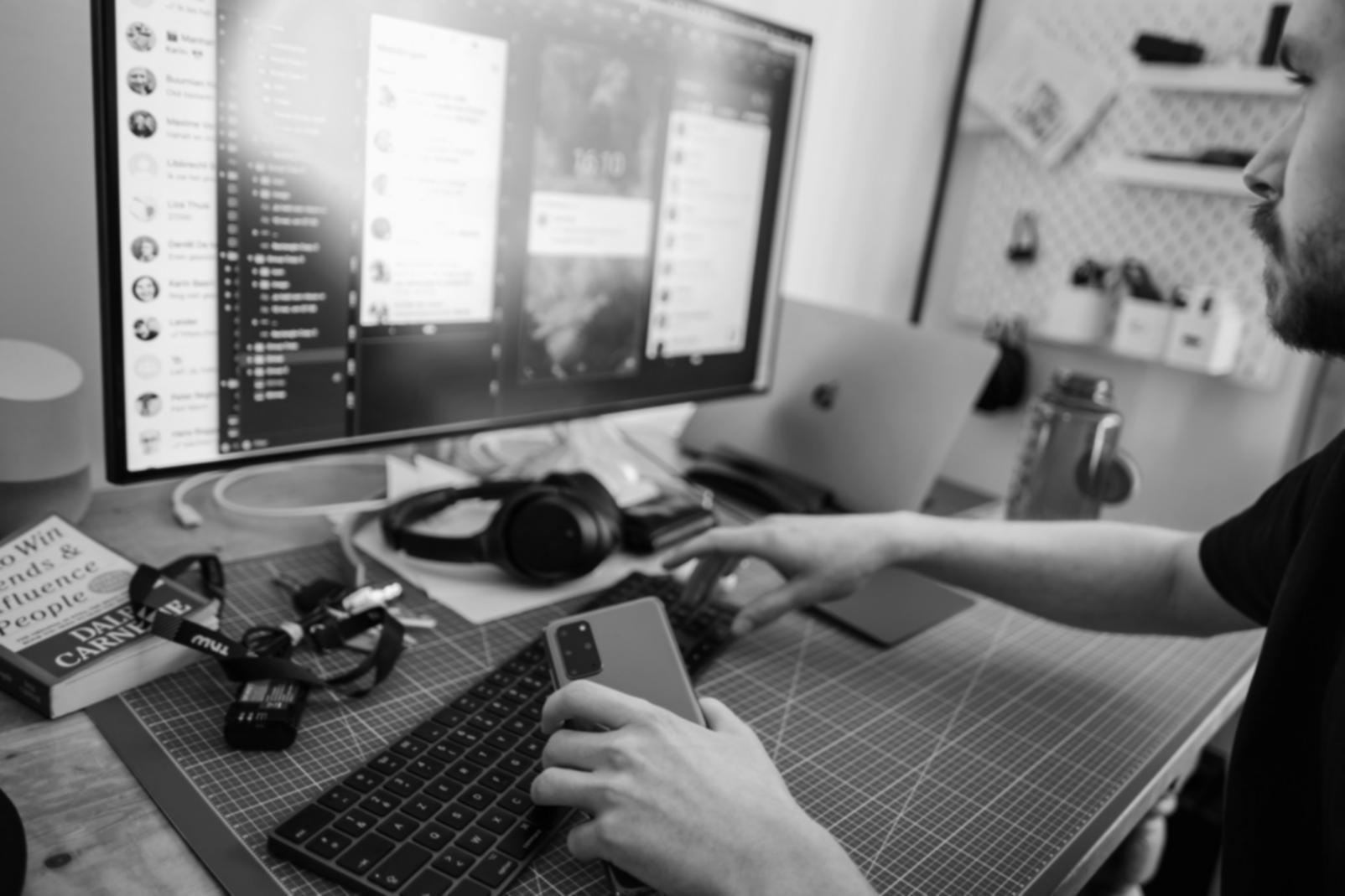
We use screen recordings to show how rigs behave under different conditions. You reply with timestamped notes. We implement changes and send updated files within the same day when possible.
Communication happens through written channels with visual attachments. No meetings unless a specific technical issue requires live troubleshooting. Most projects move faster this way because there is a clear record of what was requested and what was delivered.
We have delivered camera animations and lighting setups for property presentations where timing and spatial accuracy determine whether the client approves the concept.
Character rigs built for small teams working in Unity and Unreal, where the rig needs to support both cutscenes and gameplay without separate asset versions.
Explainer animations for technical subjects where visual clarity matters more than stylistic flourish, and the animation needs to match voiceover pacing exactly.
The rig opens in your software without missing dependencies. Controls are labeled clearly enough that someone else on your team can animate with it. The file size stays manageable even when the character has detailed facial controls.
If the project includes rendering, you get scene files organized by shot with consistent naming conventions. Lighting setups are separated into layers so you can adjust intensity without rebuilding the entire scene.
Clean topology and proper UV layout before rigging begins
Rig hierarchy built for animator workflow, not technical complexity
Movement validation across expected poses and edge cases
Files exported in your target format with documentation included